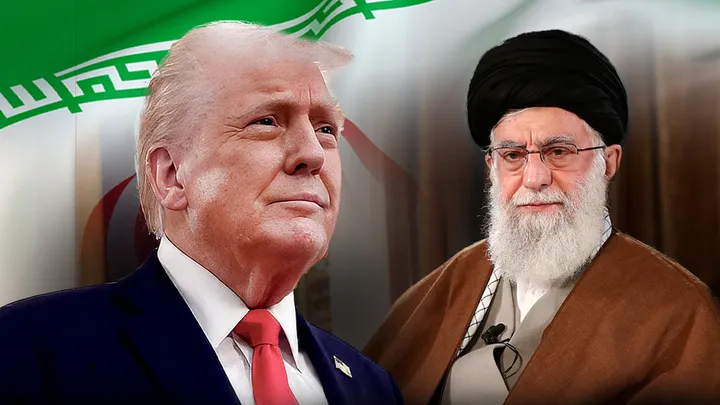
A senior Iranian official has told CNN that the Islamic Republic is determined to make the United States “directly pay for the war,” accusing Washington of hiding behind Israel while enabling military escalation without bearing the consequences.
The remarks come in the wake of President Donald Trump’s decision to authorize airstrikes on three of Iran’s nuclear facilities on Sunday. The unprecedented U.S. strike has ignited a new wave of anti-American and anti-Israeli sentiment across Iran, intensifying demands for retaliation.
Mass demonstrations erupted in Tehran on Sunday night. Protesters filled the streets waving Iranian flags and chanting slogans against the U.S. and Israel. Many in the crowd demanded a forceful military response, calling the recent U.S. bombing campaign a blatant act of aggression.
“Morale is high and the immense demand by the Iranian people to strike Israel is unprecedented,” the Iranian official told CNN. “Public sentiment is not just emotional—it’s becoming a critical driver in shaping Iran’s battlefield strategy.”
According to the source, Tehran believes that recent international calls for a ceasefire are nothing more than strategic maneuvers intended to gauge Iran’s readiness for prolonged war. “This talk of pause is a deception,” the official said. “It’s not a genuine effort for peace—it’s to buy time and assess our capacity to carry this fight further.”
The Iranian regime, the official claimed, is preparing for a drawn-out conflict that could last up to two years. “We are ready,” they said, signaling that Iran anticipates continued escalation and is preparing accordingly.
Tensions in the region skyrocketed after Israel launched a surprise attack on Iranian soil 11 days ago. Since then, a steady exchange of strikes between the two nations has resulted in hundreds of deaths and widespread destruction. The United States’ direct military involvement—particularly the use of bunker-busting bombs on key Iranian nuclear sites—has further inflamed the situation.
Iranian leaders appear to be betting on a long war of attrition, with growing domestic pressure to expand military operations beyond retaliatory strikes. The government’s posture, shaped both by strategic calculations and intense public emotion, signals that the conflict is unlikely to abate anytime soon.
Be First to Comment