Not every rock star comes from a broken home or a childhood surrounded by chaos. Cocker’s upbringing was comparatively stable, but that did not mean life in Sheffield was easy.
He was raised in a working-class environment in the industrial north of England, where hardship was part of everyday life.
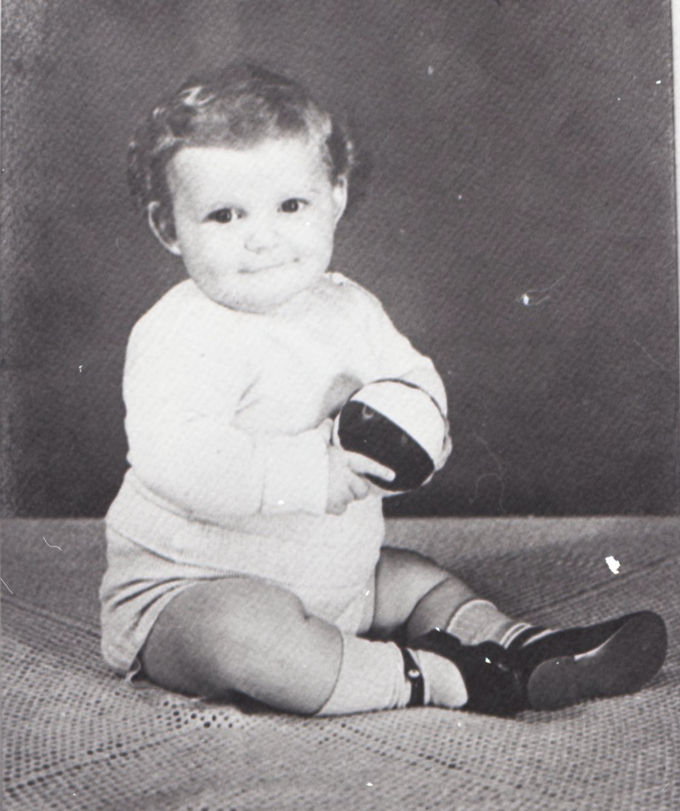
Cocker was born during World War II in Sheffield, the famous steel city where his father served as an aircraftman in the Royal Air Force. His mother was a housewife.
At birth, he was named John.
But the name the world would eventually remember was Joe.
There are different stories about how the nickname came about. Some accounts suggest it originated from a childhood cowboy game, while others believe it was inspired by the name of a local window cleaner.
Whatever the truth, the nickname would eventually become attached to one of the most distinctive voices in popular music.
Growing up in Sheffield during the 1950s meant living beneath a constant blanket of smoke and industrial soot. Factory chimneys dominated the landscape, while streets were lined with stone buildings darkened by years of pollution.
For the people who lived there, it was simply normal life.
For an outsider, however, the city could look almost apocalyptic.
And somewhere in the middle of that industrial landscape, a young boy began discovering music.
His Only Real Ambition Was to Escape
Cocker did not initially dream of becoming one of the world’s greatest singers.
His main ambition was much simpler.
He wanted to leave Sheffield.
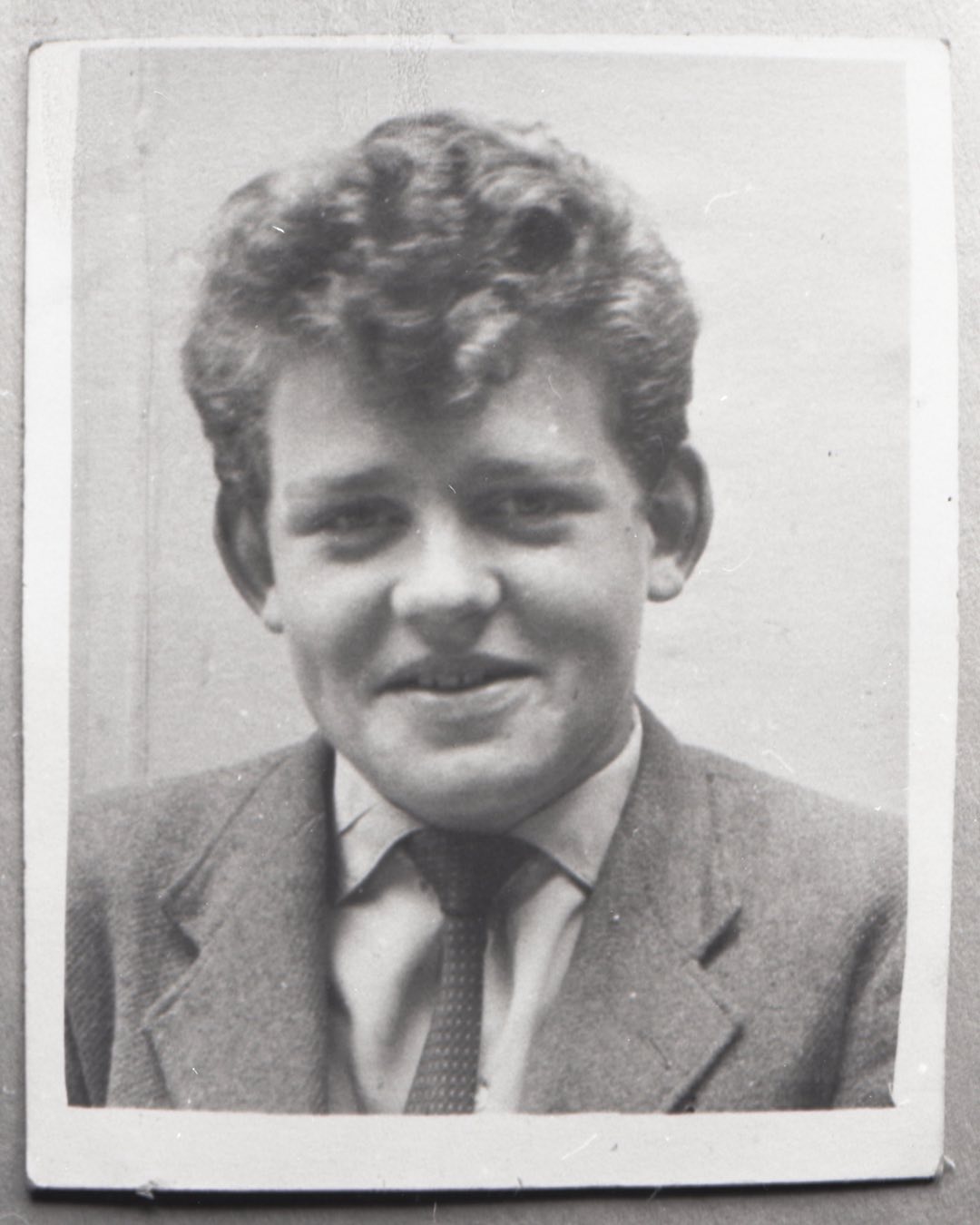
He left school at the age of 16, reportedly receiving a blunt farewell from his headmaster: “Hard luck.”
He then began training as a gas fitter while quietly pursuing his passion for music.
During the day, he worked.
At night, he performed in smoke-filled bars, chasing a dream that few people around him could see.
His brother later described those early years to The Star.
“His voice had hardly broken and there was no way you could recognize his talent but his enthusiasm was undeniable and he had that desire to perform which was there throughout his career,” he said.
For years, almost nobody knew who Joe Cocker was.
He borrowed microphones, performed for tiny crowds and played in venues where many people were far more interested in their drinks than the musicians on stage.
He spent his wages producing demo tapes, only to have them rejected repeatedly.
But rejection never completely extinguished his determination.
Singing was the one thing that made him feel alive.
His mother later recalled that she had once expected him to make gas fitting his career.
“I thought he was going to take up gas fitting as a career,” she said. “I even got him a lot of books on the subject, and he was interested in gas for a time, but there was always the music.”
She remembered that her son had no desire to spend decades working toward a conventional career.
“He told me he didn’t want a job where he worked for years and years and then got presented with a gold watch at the end,” she recalled.
A $1.50 Recording Session That Went Nowhere
Cocker began cutting his teeth in local blues bands, slowly building experience and developing the raw vocal style that would later become his trademark.
Then, in 1964, he received what appeared to be a major opportunity.
Decca Records brought him to London to record a cover of a Beatles song.
For the session, he was reportedly paid just $1.50.
The single failed.
There was no breakthrough. No sudden fame. No sign that the young singer was destined for international success.
Years later, Cocker joked about the experience.
“Decca were very professional. That’s why they dropped me,” he said.
But the setback did not stop him.
He left the gas board and took a job packing goods. He continued performing whenever he could and even played drums at times.
The dream was still alive, even if it seemed impossibly distant.
Then everything changed.
The Song That Changed His Life
Four years after that early disappointment, Cocker was given another opportunity.
This time, he made it count.
His version of The Beatles’ “With a Little Help from My Friends” transformed his career.
The song climbed the charts in both Britain and the United States and eventually reached No. 1 in the UK.
For a young singer who had spent years playing small venues and being rejected by record companies, the moment was almost impossible to comprehend.
Cocker later remembered receiving a telegram when the song became a success.
“THANKS YOU ARE FAR TOO MUCH, JOHN AND PAUL,” it read.
The success opened doors that had previously seemed locked.
In 1969, Cocker embarked on his first tour of the United States.
Just a year later, his live album “Mad Dogs & Englishmen” reached No. 2 on the American charts.
But it was one performance in particular that would permanently change how the world saw him.
The Performance That Made Joe Cocker a Star
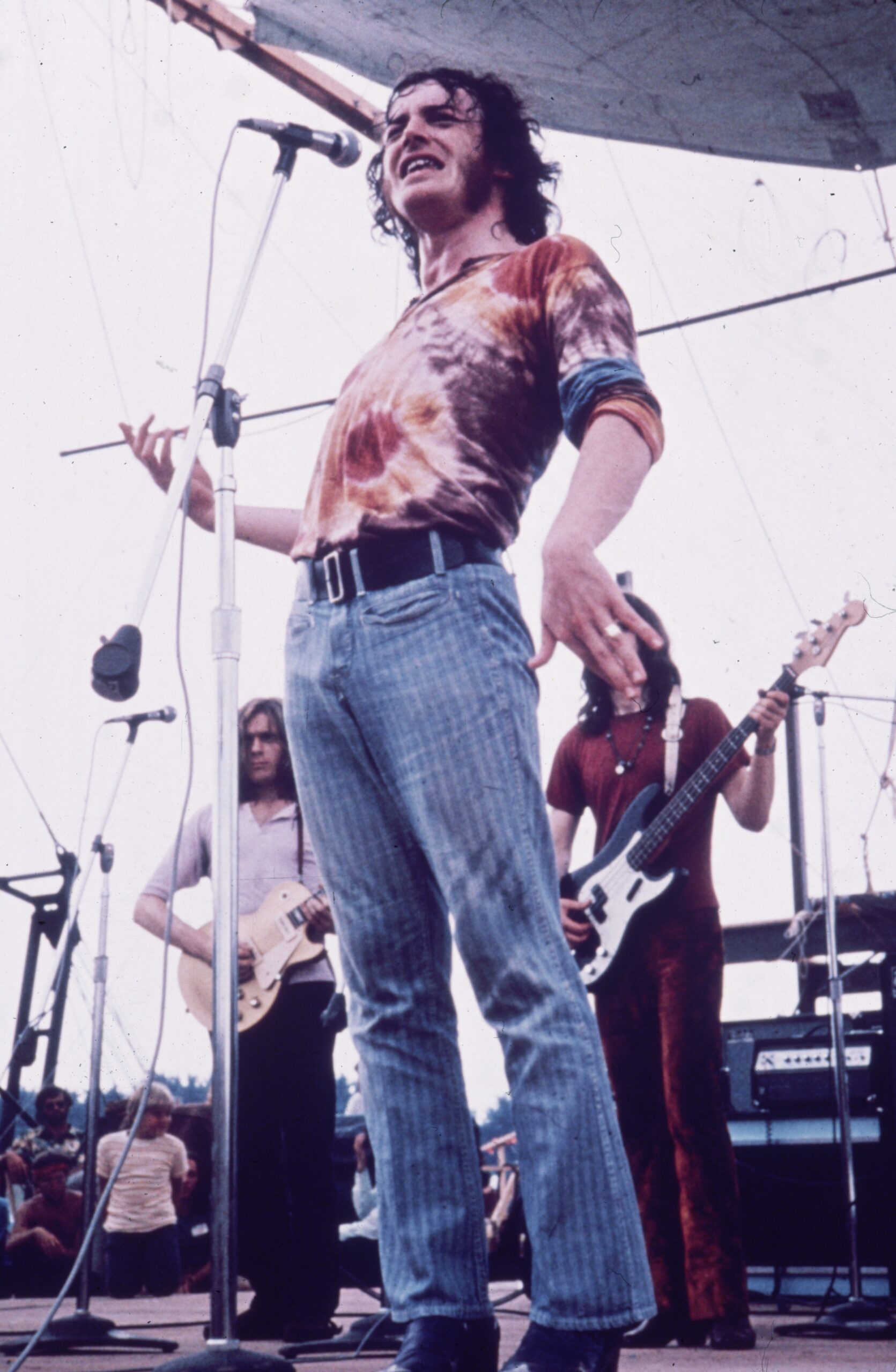
In August 1969, Cocker stepped onto the stage at Woodstock.
What happened next became part of music history.
His performance of “With a Little Help from My Friends” was unlike anything audiences had seen before.
Wearing a tie-dyed shirt and jeans, with wild hair and prominent mutton chops framing his face, Cocker appeared almost possessed by the music.
His body moved unpredictably as he sang.
His face contorted with emotion.
His voice rose into raw, almost otherworldly screams.
The song was no longer simply a Beatles cover.
Cocker had transformed it into something entirely his own.
It was intense, emotional and almost physically exhausting to watch.
The performance became one of the defining moments of Woodstock and later became even more widely known through the festival’s iconic film.
An estimated 650,000 people were associated with the Woodstock event, and Cocker’s performance left an unforgettable impression.
“That was the moment a star was born.”
The name behind that extraordinary performance was John Robert “Joe” Cocker.
Even years later, however, Cocker remained characteristically modest about the performance.
Speaking to Louder, he recalled it with humor rather than grandeur.
“Were we epic? I dunno…” he said.
He then remembered that after removing his tie-dyed shirt, he discovered that the colors had stained his chest in almost exactly the same pattern.
That was Joe Cocker — a man who could deliver one of the most powerful performances in music history and still find something amusing about what happened backstage.
The Price of Living on the Road
After Woodstock, Cocker continued touring.
He followed the festival with a notable performance at the Isle of Wight and continued performing into early 1970.
But the intensity of his live shows came at a price.
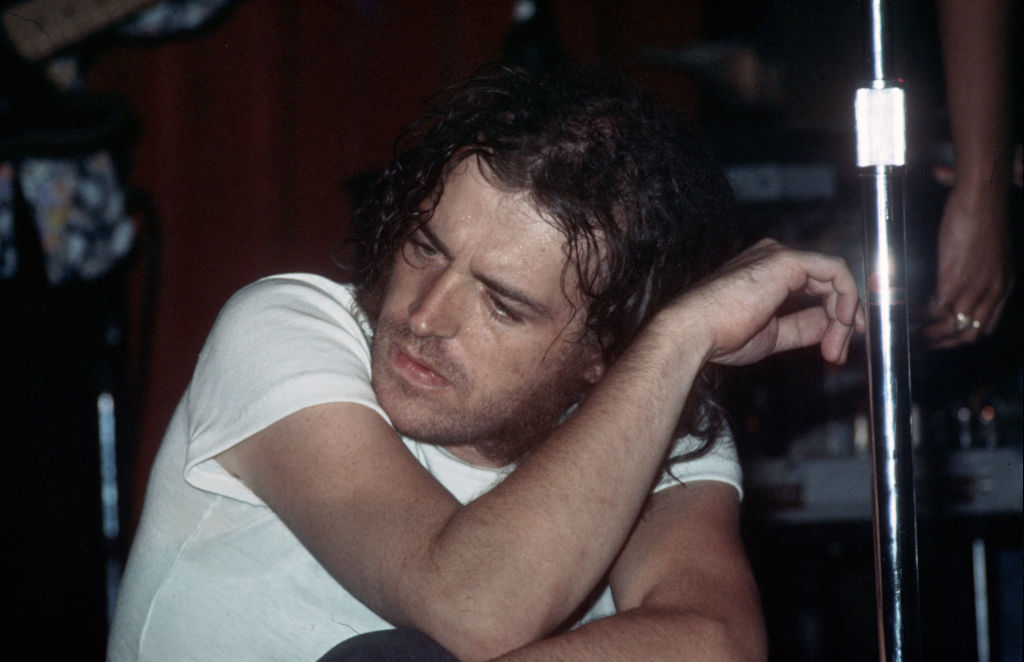
He pushed himself relentlessly, eventually collapsing from exhaustion in Los Angeles.
Behind the scenes, another problem was growing.
The “Mad Dogs & Englishmen” era had become deeply intertwined with drugs and alcohol.
What had initially seemed like the excesses of life on the road gradually turned into dependence.
Heroin, cocaine, pills and heavy drinking became part of the environment surrounding Cocker.
And the problems did not disappear when the tour ended.
Instead, they followed him.
While living in Los Angeles, Cocker’s alcohol use became increasingly severe. He later described periods in which drinking seemed to consume almost every part of his life.
Then came heroin.
He later spoke openly about the drug and the effect it had on him.
“I started taking heroin seriously, even though I’d thought it was the big taboo,” he admitted.
He explained that he had initially underestimated how powerful the drug could be.
“It was too powerful and intense.”
He also recalled how it made him feel fearless, describing dangerous driving experiences in which friends would plead with him to slow down.
The addiction had become more than a personal problem.
It was beginning to threaten everything he had worked to build.
“They Put Me in a Cell With a Bank Robber”
By the middle of the 1970s, Cocker’s situation had reached a dangerous point.
Performances became increasingly unreliable.
His health deteriorated.
At times, he was too unwell to complete shows.
There were arrests, public incidents and growing signs that his career was spiraling out of control.
During a tour in Australia, Cocker was arrested for cannabis possession and reportedly confronted a large group of police officers.
Not long afterward, he was arrested again in Melbourne following a fight at his hotel and spent a night in jail.
Cocker later remembered the strange collection of people with whom he found himself sharing a cell.
“They put me in a cell with a bank robber, and an Aborigine who was alleged to have murdered someone,” he recalled.
The bank robber, he added, “seemed like a nice bloke.”
There was also an unexpected connection.
“He said he had all my albums.”
Even as Cocker’s life appeared to be falling apart, his music still reached people.
A Career That Refused to Disappear
Despite the chaos, Cocker continued to find moments of success.
During his years of cocaine use, “You Are So Beautiful” became another major hit, reaching No. 5 on the US Billboard chart.
But the problems continued.
In 1974, while performing in Los Angeles, Cocker vomited on stage and experienced what he later described as one of the worst moments a performer could imagine.
He blamed a combination of circumstances, including alcohol and cocaine.
“Somebody should have kept an eye on me,” he later said.
According to Cocker, a dealer had found him backstage and supplied him with cocaine. He had not performed live for several years.
He also drank an entire bottle of brandy before going on stage.
He managed to get through two songs.
Then he sat down on the stage, experiencing what he described as a complete mental block.
For an artist whose career had been built on the sheer physical and emotional power of his performances, it was a devastating moment.
Yet even then, Cocker was not finished.
His Biggest Hit Came Later
Perhaps the most remarkable part of Cocker’s story was that his greatest commercial success was still ahead of him.
“Up Where We Belong,” his duet with Jennifer Warnes, became a No. 1 hit in the United States.
The song, featured in the film “An Officer and a Gentleman,” became an enduring classic.
It also won a Grammy Award in 1983.
For Cocker, the success represented something far greater than another chart achievement.
He had survived years in which many people could have written him off as another casualty of rock and roll excess.
Instead, he found his way back.
He once reflected on the extraordinary distance between the young gas fitter he had been and the international performer he eventually became.
“I suppose my journey from 16-year-old gas fitter to today is a bit staggering,” he said.
He remembered someone in Australia telling him, “You’ve led a life.”
“Not a good one, mind. Not even a bad one. Just a life,” Cocker recalled.
Looking back, he believed that if music had not worked out, he probably would not have remained a gas fitter forever.
He imagined himself still singing in pubs and wondering what might have happened.
The Boy From Sheffield Never Really Left
Despite his international fame and his life in the United States, Cocker never completely abandoned the identity of the boy from Sheffield.
When he later moved to Colorado, his brother Vic said Cocker would still get up early to watch his beloved Sheffield United whenever the team was on television.
The international superstar remained connected to the place where everything had begun.
Through the 1980s and 1990s, Cocker continued releasing albums, including “Unchain My Heart,” “One Night of Sin” and “Night Calls.”
His 1994 album “Have a Little Faith” received stronger critical recognition and produced UK hits including “Take Me Home” and “Let the Healing Begin.”
A career-spanning box set followed in 1995, offering another reminder of just how extensive his musical catalogue had become.
He continued appearing at major music events and international celebrations, including the Prince’s Trust Rock Gala, a tribute to Nelson Mandela, Rock in Rio II and Woodstock ’94.
His later albums, including “Hymn for My Soul” in 2007 and “Hard Knocks” in 2010, showed that his distinctive voice still had a place in the music world.
The Woman Who Helped Bring Stability to His Life
Behind the public story of addiction, touring and fame was another important part of Cocker’s life — his relationships and marriage.
His relationship with Eileen Webster began in 1963 and continued on and off for 13 years.

Then, in 1978, his life took another turn.
Cocker moved to a ranch in California owned by Jane Fonda.
There, he met Pam Baker, a former summer camp director.
The two began a relationship and eventually married in 1987.
Baker became an important source of stability in Cocker’s life.
She was often credited with helping him through his struggles with addiction and supporting a quieter, more settled existence.
Together, they eventually made their home at Mad Dog Ranch in Crawford, Colorado.
After years of chaos, Cocker had found a place where life could become something more peaceful.
Joe Cocker’s Final Years
Cocker continued recording and touring well into his later years.
The man who had once collapsed from exhaustion and battled severe addiction remained committed to music for much of his life.
But his health would eventually take a different path.
Joe Cocker died from lung cancer on December 22, 2014, in Crawford, Colorado.
He was 70 years old.
Cocker had been a heavy smoker for many years and reportedly smoked as many as two packs of cigarettes a day before quitting in 1991.
His death marked the end of a career that had begun in the pubs and smoky bars of Sheffield and eventually carried him onto some of the world’s biggest stages.
A Career Built the Hard Way
Cocker had truly paid his dues.
Although he recorded numerous hit singles, his nearly 40 albums did not always enjoy the same commercial success.
He had started by performing in pubs and small venues, and he maintained an intense touring schedule for much of his career.
He also appeared on both the British and French versions of “American Idol,” although he was never particularly enthusiastic about the world of televised talent competitions.
Reflecting on the format, he questioned what happened to contestants who disappeared from the spotlight after failing to succeed.
For Cocker, there had always been something meaningful about earning a career the hard way — starting in pubs, learning through experience and gradually building an audience.
The Financial Struggles Behind the Fame
Fame did not automatically bring financial security.
Cocker reportedly came close to bankruptcy during the mid-1970s.
Poor financial management, the enormous cost of constant touring, personal addictions and a lack of business oversight all contributed to his financial difficulties.
Later, Pam played an important role in helping him regain control of his finances and rebuild a more stable life.
According to Celebrity Net Worth, Cocker had an estimated net worth of approximately $60 million at the time of his death.
The annual income generated by his estate has not been publicly disclosed, although his extensive catalogue continues to generate revenue from his music.
A Voice That Could Never Be Replaced
Joe Cocker’s story was never a simple one.
It was the story of a boy from an industrial city who never expected to become a global star.
It was the story of a gas fitter who spent his nights singing in pubs, a musician who endured rejection after rejection before finally being given his chance.
It was the story of Woodstock, where a wild and unforgettable performance transformed him into an international name.
But it was also the story of addiction, excess, arrests, exhaustion and moments when his career seemed to be slipping away.
And somehow, he survived them.
Cocker was later posthumously inducted into the Rock and Roll Hall of Fame in November 2025, an honor that added another chapter to the legacy he had built over decades.
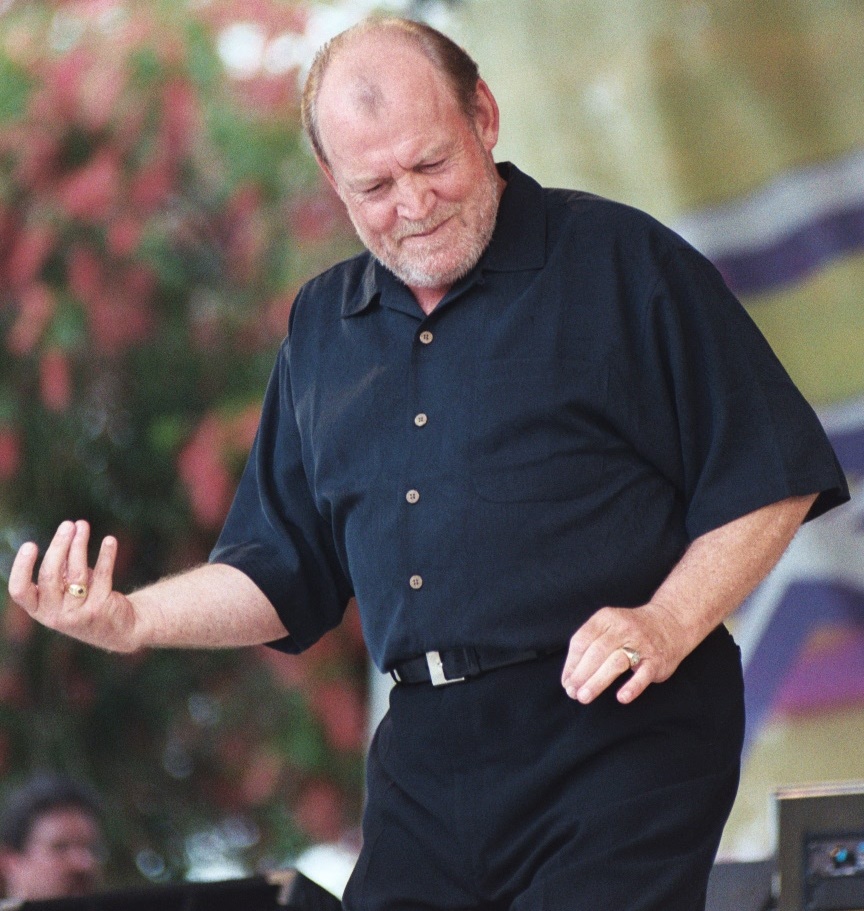
Yet perhaps his greatest legacy cannot be measured by awards, chart positions or money.
It can be heard.
Every time “With a Little Help from My Friends” begins and that unmistakable, broken voice rises through the speakers, there is a reminder of the young man who came from Sheffield and refused to give up on music.
His life was never a straight line.
It twisted.
It broke.
At times, it seemed to disappear altogether.
But Cocker repeatedly found his way back.
He did not erase the difficult parts of his story. Instead, he carried them with him and transformed them into music that millions of people would remember.
That may be the most enduring part of Joe Cocker’s story.
Not simply that he became famous, but that the voice of a boy from a smoke-filled industrial city somehow traveled around the world.
And decades later, it still does.
Thank you for everything, Joe.
You represented an era when words carried weight, singers performed with genuine passion, and music could feel almost magical.
Pure magic.