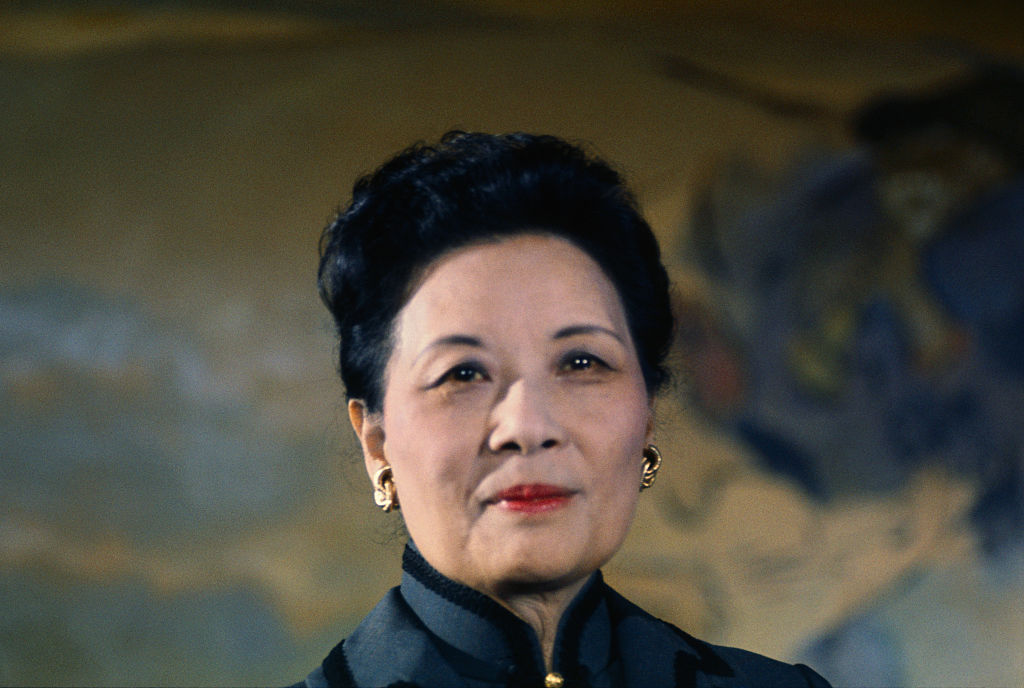
Soong Mei-ling, widely known as Madame Chiang, was far more than the glamorous wife of Chinese political leader Chiang Kai-shek. She was an influential political figure, diplomat, philanthropist, and one of the most recognizable Chinese women of the 20th century.
Her intelligence, command of English, and diplomatic skills helped her become an important international representative of China during some of the most turbulent periods in modern history.
But there was another aspect of her life that continued to fascinate people long after her political influence had faded: her extraordinary longevity.
Madame Chiang lived to the age of 106, surviving serious illness, political upheaval, and decades of dramatic historical change. Her approach to daily life reportedly included carefully controlled eating habits, regular mental activities, a strict sleeping schedule, and one particularly surprising food that remained a staple in her diet: celery.
Although no single food can explain such an exceptionally long life, her lifestyle offers an interesting look at the habits she maintained throughout her later years.
Diagnosed With Cancer at 40, She Went on to Live to 106
Madame Chiang’s life was filled with extraordinary experiences, but it was also marked by serious personal health challenges.
At just 40 years old, she was diagnosed with cancer. Despite the frightening diagnosis, she survived the disease and went on to live for another six decades.
She eventually passed away peacefully in her Manhattan apartment in 2003, aged 106.
Her remarkable lifespan naturally attracted attention, with many people wondering how she managed to remain active and mentally engaged well into old age.
According to accounts of her daily routine, her approach combined discipline, moderation, and a commitment to maintaining both physical and mental well-being.
Her mornings reportedly began with a glass of cold water mixed with lemon. Rather than eating three large meals, she preferred five smaller meals spread throughout the day.
She also followed a particular eating philosophy: stopping when she felt approximately 70% full instead of eating until completely satisfied.
This approach kept her portions relatively small and helped her avoid overeating. The practice of eating slowly and stopping before feeling completely full is also discussed in modern nutrition and wellness circles.
But food was only one part of her carefully structured lifestyle.
Madame Chiang reportedly dedicated around two hours every day to creative and intellectual activities, including reading, drawing, and quiet reflection.
She believed keeping her mind occupied was important for maintaining mental sharpness, even as she grew older.
Her sleeping routine was equally disciplined. She reportedly went to bed at 11 p.m. and woke up at 9 a.m., maintaining the same schedule rather than regularly changing her sleeping hours.
Together, these habits formed the foundation of a lifestyle built around consistency, moderation, and mental stimulation.
Yet one humble vegetable reportedly held a particularly important place in her daily diet.
The Surprising Vegetable She Relied On: Celery
Among the different foods associated with Madame Chiang’s eating habits, celery stood out as a regular favorite.
Often dismissed as an ordinary vegetable or a low-calorie snack, celery was reportedly one of the foods she consistently included in her diet.
It may not have been an expensive or particularly glamorous choice, but its nutritional profile makes it a worthwhile addition to a balanced eating plan.
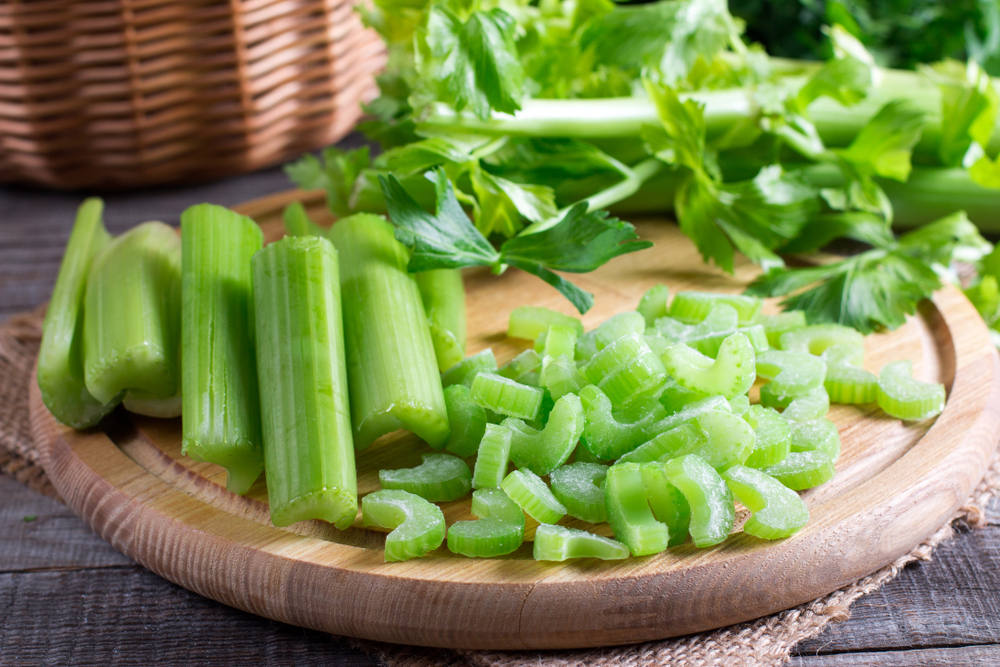
Celery contains dietary fiber, vitamins, plant compounds, and antioxidants that contribute to overall health.
Its fiber supports digestion, while its plant compounds have been studied for their potential role in reducing inflammation and protecting cells from oxidative damage.
“Celery is simple, inexpensive, and incredibly nourishing,” she once noted.
For Madame Chiang, the vegetable reportedly complemented her broader approach to healthy eating, which focused on moderation and choosing simple, nourishing foods.
Her commitment to maintaining these habits continued even as she entered her 100s.
Although celery alone cannot explain her longevity, its nutritional benefits have attracted considerable scientific interest.
What Science Says About Celery and Its Potential Health Benefits
Celery is much more than a crunchy vegetable commonly served alongside dips or added to soups and salads.
Researchers have examined several compounds found in celery, particularly its flavonoids, for their potential health benefits.
One of the most interesting is apigenin, a naturally occurring plant compound found in celery and several other fruits and vegetables.
Apigenin belongs to a group of plant chemicals known as flavonoids, which have attracted scientific attention because of their antioxidant and anti-inflammatory properties.
A 2016 review suggested that apigenin may also have potential anticancer effects in laboratory research.
One process researchers have examined is apoptosis, commonly described as programmed cell death. This is a natural biological mechanism through which the body removes damaged or abnormal cells.
Some laboratory studies suggest that apigenin may influence this process, potentially helping the body eliminate certain abnormal cells.
<caption>Celery contains several naturally occurring plant compounds, including apigenin and luteolin, that researchers have studied for their biological effects.</caption>
Research involving mice has also suggested that apigenin may help reduce inflammation by lowering the activity of certain inflammatory proteins.
These findings have encouraged further investigation into how plant compounds could influence immune responses and inflammatory processes.
Another compound attracting scientific interest is luteolin, a flavonoid also found in celery.
Some laboratory studies suggest luteolin may influence cancer cell growth and potentially make certain cancer cells more vulnerable to treatment.
However, it is important to distinguish between promising laboratory findings and proven health benefits in humans.
More clinical research is needed before scientists can establish whether consuming celery or its individual compounds can prevent cancer or improve cancer treatment outcomes.
Nevertheless, celery remains a nutritious vegetable that can contribute to a balanced diet.
Its combination of fiber, vitamins, and plant antioxidants makes it a practical and affordable food choice for people looking to improve their everyday eating habits.
Beyond Her Diet: The Woman Who Helped Shape International Politics
While Madame Chiang’s longevity continues to attract attention, reducing her legacy to her eating habits would overlook one of the most remarkable aspects of her life.
She was an influential political figure who played an important role in representing China internationally during the 20th century.
Highly educated in the United States and fluent in English, she possessed communication skills that helped her connect with Western political leaders and audiences.
During World War II, she became one of China’s most prominent international advocates.
At a time when China was fighting against Japanese aggression, Madame Chiang traveled to the United States and worked to strengthen American support for her country.
She addressed Congress, met influential political figures, and used her public profile to encourage greater assistance for China.
Her ability to communicate directly with American audiences made her an unusually effective diplomatic representative.
Her influence was so significant that she appeared on the cover of Time magazine multiple times, becoming an internationally recognized symbol of China’s wartime struggle.
During the conflict, the Associated Press even described her as “a modern Joan of Arc,” reflecting the extraordinary public image she had developed.
She represented a China that was fighting for survival while attempting to maintain its international standing.
Her public role changed again during the Cold War.
As political tensions intensified, Madame Chiang became a more outspoken and determined opponent of communism. Her image increasingly reflected a militant political figure, with some comparing her to a kind of Mother Courage of anti-communism.
But her work was not limited to international diplomacy and political campaigning.
She also established schools for war orphans, demonstrating a commitment to helping children whose lives had been devastated by conflict.
Her combination of political influence, intelligence, and charitable work helped establish her reputation as one of the most prominent women in Chinese public life.
Even After 100, She Continued Painting and Showing Her Work
Madame Chiang’s remarkable life did not end with her husband’s death or her withdrawal from the center of international politics.
Even in her later years, she remained intellectually active and continued pursuing her artistic interests.
Painting was one of her lasting passions, particularly traditional Chinese painting.
When she was over 100 years old, she continued presenting exhibitions of her artwork in New York, demonstrating that her interest in creativity had not diminished with age.
For a woman who had experienced wars, political revolutions, diplomatic negotiations, and enormous personal challenges, maintaining those interests was another reflection of her disciplined approach to life.
Her later years also reinforced the image she had cultivated throughout her lifetime: a woman who valued education, creativity, independence, and personal discipline.
She combined political ambition with artistic expression, creating a legacy that extended far beyond her marriage to one of China’s most powerful leaders.
What Modern Women Can Learn From Madame Chiang’s Lifestyle
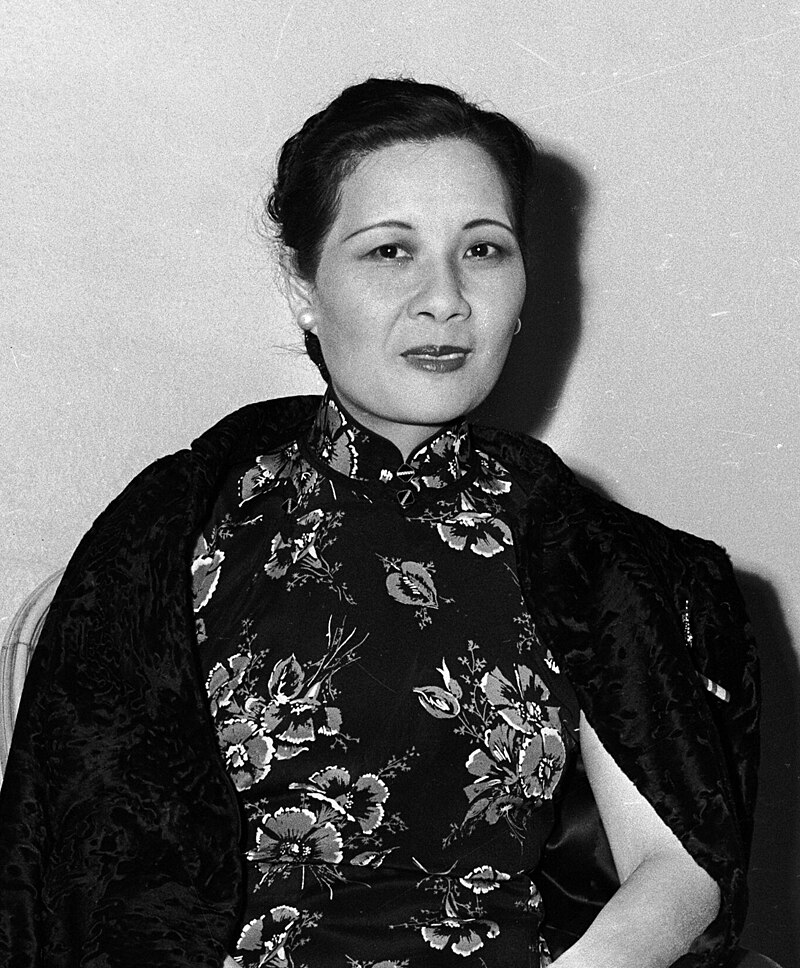
Madame Chiang’s extraordinary longevity has encouraged many people to look more closely at the habits she reportedly followed throughout her life.
Her story suggests that maintaining well-being involves much more than focusing on one particular food or following a temporary diet.
Instead, her lifestyle reflected several habits that remain relevant today.
Eating in moderation: Her preference for smaller meals and stopping before feeling completely full reflected an approach centered on avoiding excess.
Choosing nutritious foods: Celery and other simple foods formed part of a diet that emphasized everyday nourishment rather than complicated eating routines.
Keeping the mind active: Reading, drawing, and reflection gave her opportunities to remain intellectually engaged throughout her life.
Maintaining a regular sleep schedule: Her consistent bedtime and waking hours reflected the importance she placed on routine.
Continuing personal interests: Even after reaching 100, she continued painting and participating in creative activities, showing that curiosity and personal fulfillment need not disappear with age.
Of course, her remarkable lifespan cannot be attributed to celery or any single lifestyle habit. Genetics, access to healthcare, medical treatment, and numerous other factors also influence how long a person lives.
Her experience should therefore be viewed as an interesting example of disciplined living rather than a guaranteed formula for longevity.
Still, there is an encouraging lesson in her story: it is never too late to make healthier choices.
Even people who have spent years following unhealthy routines can begin making gradual changes, whether that means improving their diet, becoming more physically active, establishing better sleeping habits, or finding activities that keep their minds engaged.
And the next time you reach for a few sticks of celery, you might remember Madame Chiang.
The humble vegetable was reportedly part of the daily routine of a woman who lived through wars, political revolutions, and some of the most significant transformations of the 20th century.
Soong Mei-ling’s life was extraordinary not simply because she lived to 106, but because she remained intellectually curious, politically influential, and creatively active for so many decades.
Her story is a reminder that a meaningful life is built through far more than what we put on our plates.