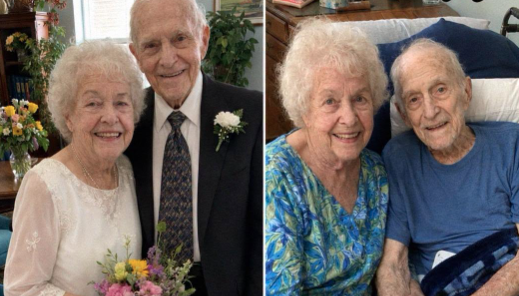
The cold wind rattled the thin glass windows of the state-funded wing of our nursing home.
The radiator hissed beside me, but it offered almost no warmth.
I sat by the window of my cramped, shared room, looking across the manicured courtyard toward the glowing penthouse suites where the wealthiest residents lived.
Those two worlds almost never crossed.
Except beneath an old oak tree.
That was where I first met Arthur.
He was eighty-two, elegant, soft-spoken, and dressed in clothes that looked as though they had never known a wrinkle. He was arranging chess pieces on a small outdoor table with the patience of a man who believed the rest of the world could wait.
He looked up at me.
“You look like someone who understands a good game.”
I glanced at the chessboard.
“I understand losing gracefully,” I replied. “That is what poverty teaches you.”
Arthur laughed.
It was a warm, genuine laugh.
Then he gestured toward the empty chair across from him.
“Then sit. I haven’t lost gracefully in years. I could use the practice.”
I sat.
We played chess for hours that first afternoon.
At some point, a private chef sent out a tray of imported tea.
I sipped it carefully, suddenly conscious of my worn slippers and tiny pension.
Arthur noticed.
“You keep apologizing for your shoes.”
“They’re all I have.”
He looked down at my slippers and smiled.
“Shoes carry people to interesting places.”
Then he nodded toward the chessboard.
“Yours carried you to me. That makes them valuable.”
I didn’t know it then, but that sentence would stay with me for years.
I also didn’t know how much those afternoons beneath the oak tree would eventually come to mean.
Day after day, Arthur and I returned to the same table.
We played chess.
We listened to old jazz records on his portable player.
We drank tea.
And slowly, we began telling each other the stories we rarely shared with anyone else.
Arthur told me about his late wife.
I told him about the children I had never had.
One afternoon, I finally asked about his family.
“You have three children,” I reminded him. “Where are they?”
Arthur moved his bishop.
Then he stared at the board for several seconds.
“They don’t care about me,” he finally said. “They’re just waiting for me to die.”
“You don’t know that.”
“I know Gregory.”
His voice had changed.
There was bitterness in it now, the kind that comes from a wound that has been open for years.
“He’s patient. He’s polite when he’s standing in front of me. But he’s planning something. I can feel it the way you feel a storm before it breaks.”
I didn’t know what to say.
“You can’t be sure.”
Arthur looked at me.
“They’re just waiting for me to die.”
I reached across the little table and covered his hand with mine.
“Then let’s play chess and not think about storms today.”
He smiled.
But his eyes remained troubled.
“You are the only person in this entire place who wants nothing from me,” he said.
“Do you realize that?”
I tried to lighten the mood.
“I want to win a game before I die.”
Arthur chuckled.
“That, you will have to earn.”
His daughter, Evelyn, visited once during those weeks.
She stood at the edge of the courtyard, watching Arthur and me with a strange, conflicted expression.
Arthur noticed her.
He raised a hand and beckoned her over.
She shook her head.
Then she turned and walked away.
“That was Evelyn,” Arthur said quietly.
“She is not like her brother. Not entirely. But she does what Gregory tells her. She always has.”
“People can change,” I said.
“Some do,” he replied. “Usually when it costs them something.”
The record crackled softly as it reached the end.
Arthur suddenly looked older.
Smaller.
The grand courtyard behind him seemed enormous.
“Whatever comes,” he said, “promise you’ll keep playing chess with me.”
“I promise.”
And I meant it.
Three weeks later, Arthur’s cough had grown significantly worse.
By the third week of that bitter winter, he could barely lift a chess piece.
I sat beside his bed one afternoon, holding a cup of the imported tea he loved, when the door suddenly burst open.
Gregory entered first.
He was tall, cold, and impeccably dressed.
Behind him came Evelyn and three men in expensive suits, each carrying leather folders.
“Father, we need to talk about your care,” Gregory announced.
“This place is bleeding money you don’t have to spare.”
Arthur slowly pushed himself higher against the pillows.
Despite his weakness, his eyes remained sharp.
“My money is mine to spend, Gregory. I don’t recall inviting you.”
One of the lawyers stepped forward and placed a document on the table.
“Mr. Arthur, your family has concerns about your capacity to make medical decisions. We intend to petition the court to appoint your eldest son as your guardian and medical agent.”